Understanding the Role of Chemicals in the Body and Their Impact on Health

The human body is a complex system made up of countless chemical substances working together to keep us alive and functioning. These chemicals regulate everything from mood and energy to digestion and immune response. Understanding how these chemicals operate and influence our health can help us make better choices to support our well-being.
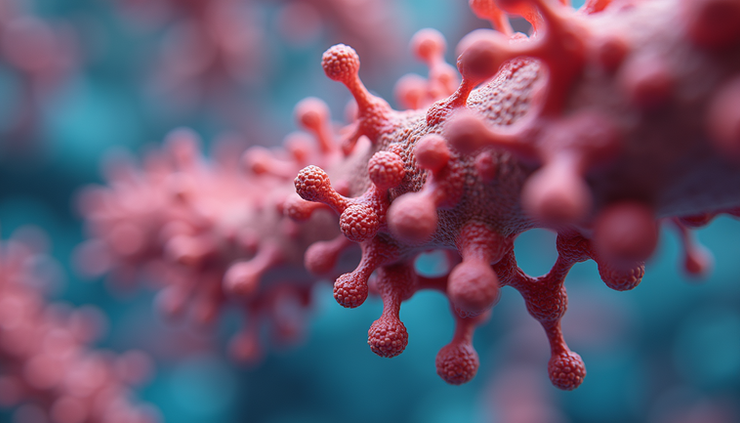
What Are Chemicals in the Body?
Chemicals in the body include a wide range of substances such as hormones, neurotransmitters, enzymes, and electrolytes. Each plays a specific role in maintaining bodily functions:
Hormones act as messengers, traveling through the bloodstream to organs and tissues to regulate processes like growth, metabolism, and reproduction.
Neurotransmitters transmit signals between nerve cells, influencing mood, sleep, and cognition.
Enzymes speed up chemical reactions necessary for digestion, energy production, and cellular repair.
Electrolytes like sodium, potassium, and calcium help maintain fluid balance and muscle function.
These chemicals are produced naturally by the body, but their levels can be influenced by diet, lifestyle, and environmental factors.
How Chemicals Affect Health
The balance of chemicals in the body is crucial for good health. When this balance is disrupted, it can lead to various health issues. For example:
Imbalanced hormones can cause conditions such as thyroid disorders, diabetes, or reproductive problems.
Neurotransmitter imbalances may contribute to mental health disorders like depression or anxiety.
Enzyme deficiencies can result in digestive problems or metabolic disorders.
Electrolyte imbalances might cause muscle cramps, fatigue, or heart irregularities.
Maintaining chemical balance supports the body's ability to heal, adapt, and perform daily functions efficiently.
Key Chemicals and Their Functions
Hormones
Hormones are produced by glands such as the thyroid, adrenal glands, and pancreas. Some important hormones include:
Insulin regulates blood sugar levels.
Cortisol helps the body respond to stress.
Estrogen and testosterone control reproductive functions.
Thyroxine influences metabolism.
For example, insulin allows cells to absorb glucose for energy. Without proper insulin function, blood sugar rises, leading to diabetes.
Neurotransmitters
Neurotransmitters are chemicals that transmit signals in the brain and nervous system. Some well-known neurotransmitters are:
Serotonin affects mood and sleep.
Dopamine influences pleasure and motivation.
GABA helps calm nervous activity.
Acetylcholine supports memory and learning.
Low serotonin levels are linked to depression, which is why some antidepressants aim to increase serotonin availability.
Enzymes
Enzymes catalyze biochemical reactions. Digestive enzymes like amylase and lipase break down carbohydrates and fats, respectively. Without these enzymes, the body cannot absorb nutrients properly.
Electrolytes
Electrolytes carry electrical charges that help muscles contract and nerves send signals. Sodium, potassium, and calcium are vital for heart rhythm and muscle function. Dehydration or illness can disturb electrolyte levels, causing symptoms like weakness or confusion.
How Lifestyle Influences Body Chemicals
What we eat, how much we sleep, and how we manage stress all impact the chemicals in our body.
Nutrition provides the building blocks for chemical production. For example, amino acids from protein are needed to make neurotransmitters.
Exercise can boost endorphins, natural chemicals that reduce pain and improve mood.
Sleep helps regulate hormone levels and neurotransmitter balance.
Stress management lowers cortisol levels, preventing negative effects on the immune system and metabolism.
Poor lifestyle choices can disrupt chemical balance, leading to fatigue, mood swings, or chronic illness.
Supporting Chemical Balance Through Diet
Certain foods can support the production and regulation of body chemicals:
Omega-3 fatty acids found in fish support brain chemicals like dopamine and serotonin.
Vitamin D from sunlight and fortified foods helps regulate hormones.
Magnesium-rich foods such as nuts and leafy greens aid enzyme function.
Probiotics in yogurt and fermented foods promote gut health, which influences neurotransmitter production.
Eating a varied diet rich in whole foods helps maintain the chemical balance necessary for health.
When Chemicals Go Wrong: Common Disorders
Chemical imbalances can cause or worsen many health conditions. Some examples include:
Hypothyroidism results from low thyroid hormone, causing fatigue and weight gain.
Depression often involves low serotonin or dopamine levels.
Diabetes stems from insulin production or response problems.
Electrolyte disturbances can lead to heart arrhythmias or seizures.
Medical treatments often aim to restore chemical balance through hormone replacement, medications, or lifestyle changes.
Monitoring and Testing Body Chemicals
Doctors can measure chemical levels through blood, urine, or saliva tests. These tests help diagnose conditions and guide treatment. For example:
Blood glucose tests monitor diabetes.
Thyroid function tests check hormone levels.
Neurotransmitter testing may assist in mental health diagnosis.
Regular check-ups and testing can catch imbalances early, improving outcomes.
Practical Tips to Maintain Healthy Body Chemicals
Eat a balanced diet with plenty of fruits, vegetables, and lean proteins.
Stay hydrated to support electrolyte balance.
Get regular exercise to boost mood and hormone health.
Prioritize sleep to regulate chemical production.
Manage stress through mindfulness, meditation, or hobbies.
Avoid excessive alcohol and smoking, which disrupt chemical balance.
These habits support the body's natural chemistry and overall health.


Comments